
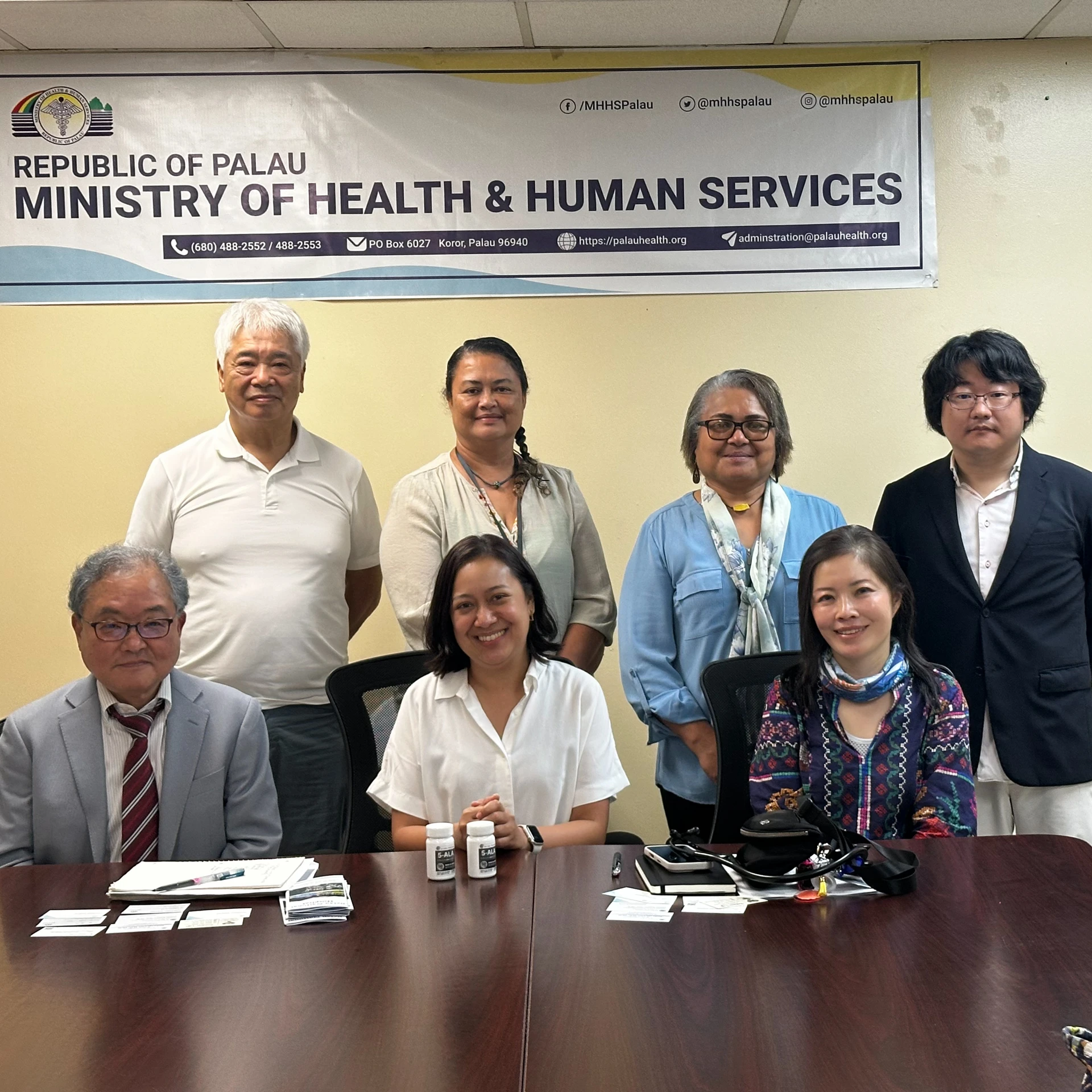
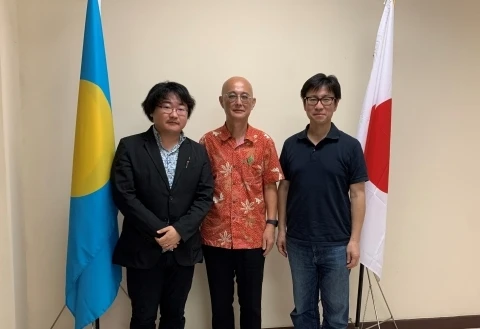
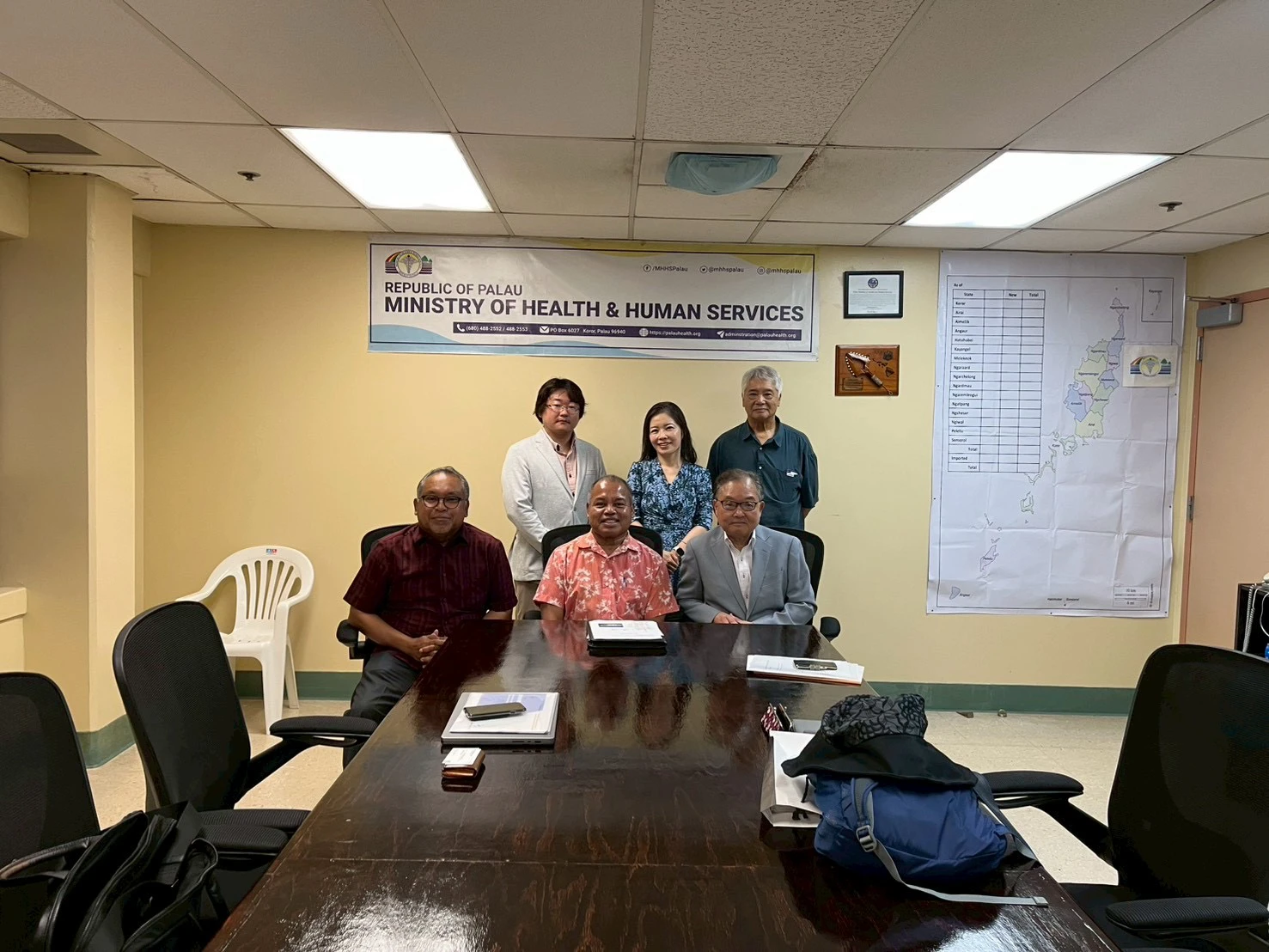
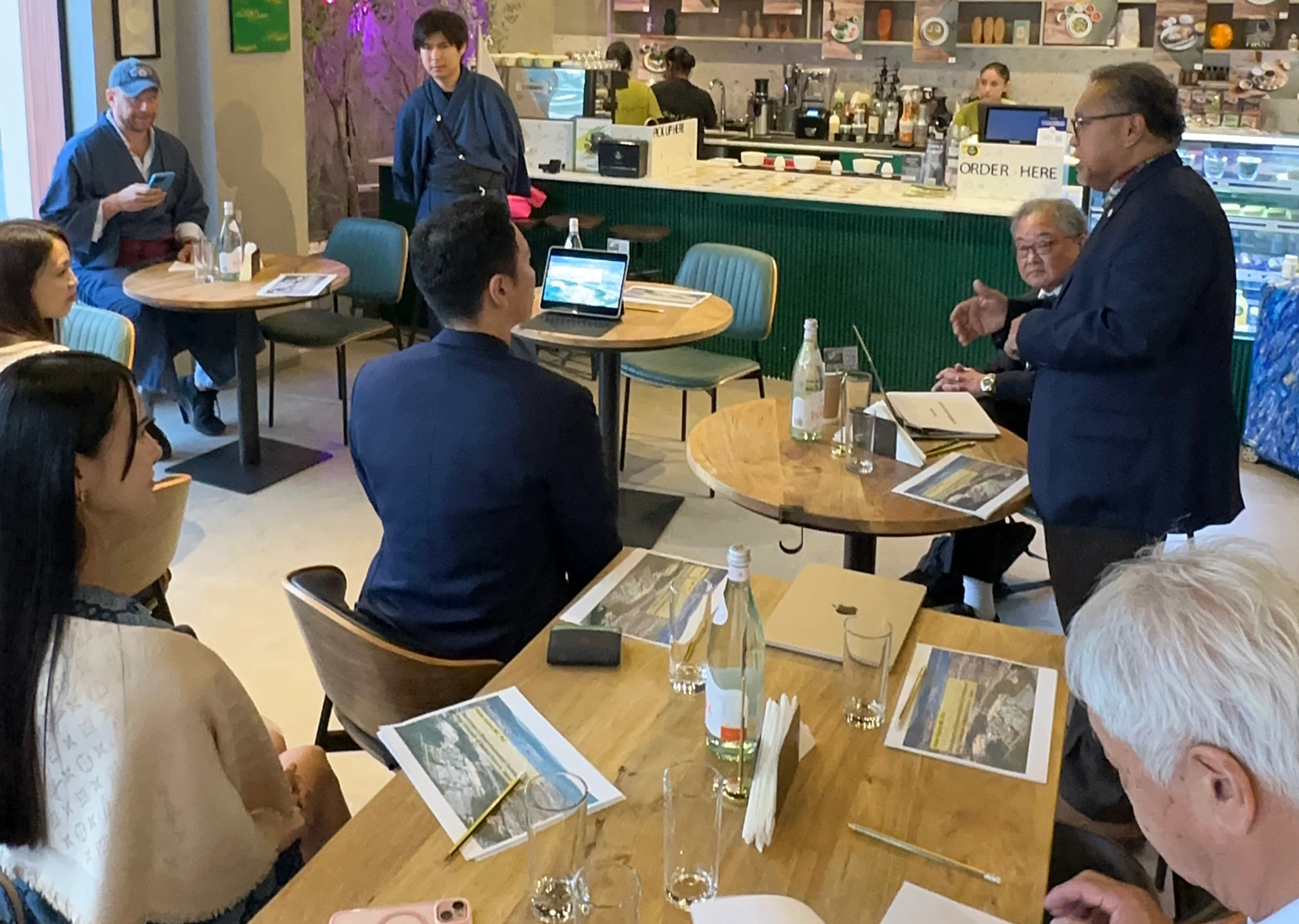
With the hospital director and others at Belau National Hospital
Fumihisa Kojima
Career & Timeline.
Fumihisa Kojima’s career began with web production and system development and has since expanded into bioinformatics, GPGPU, cryptocurrency mining, AML and compliance, and medical and biotech businesses.
Although these fields may appear broad at first glance, the consistent theme at the center is “building businesses through technology”.
This page presents his journey in chronological order, from his student years to Studio Makyu Co., Ltd., the cryptocurrency and AML fields, Biozipcode Group, and overseas medical expansion.
Timeline Overview.
| Year | Key Events |
|---|---|
| 1988 | Born in Kagawa Prefecture and spent his childhood in Otsu, Shiga Prefecture |
| Through High School | Lived in Texas, United States, through the first year of local high school |
| 2010 | Graduated from the Department of Bioinformatics, College of Life Sciences, Ritsumeikan University |
| 2010 | Founded Studio Makyu Co., Ltd. and became Representative Director |
| 2012 | Left the Bioinformatics Course, Graduate School of Life Sciences, Ritsumeikan University |
| 2014 | Participated in cryptocurrency mining business at Luck Cue Co., Ltd. |
| 2015 | Started businesses involving viral websites and Google advertising agency services |
| 2015 | Began supporting joint research with Shiga University of Medical Science |
| Around 2016 | Expanded support for the development of cryptocurrency mining farms |
| 2017 | Joined Japan Credit Information Service Co., Ltd. and DMG Blockseer Japan Co., Ltd. |
| 2018 | Joined Senard Co., Ltd. and advanced compliance screening initiatives |
| 2020 | Joined Merchant Bankers Co., Ltd. |
| 2022 | Founded Biozipcode Inc. and became Representative Director |
| 2023 | A paper on diabetes research was published in Communications Biology |
| 2024 | Joined KIYAN MEDICAL Co., Ltd. and KIYAN PHARMA Co., Ltd. |
| 2024 | Participated in blockchain and diabetes clinical trial-related projects in Palau |
| 2025 | Launched the official GDT website and communicated a vision combining Web3 with medical tourism |
| 2025 | Promoted overseas medical expansion, medical tourism, and clinical research concepts involving Palau and the UAE |
| 2026 | Established the Department of Biocommunication Development at Kyoto University, Graduate School of Medicine and Faculty of Medicine |
| Present | Advancing business across medicine and biotech, Web3, AI and computational science, and overseas expansion |
Detailed Career & Timeline Information.
Early Background to Biozipcode™ and Diabetes Cure Research
Diabetes Research by Professor Hideto Kojima and Colleagues
The Biozipcode Inc.-related businesses that Fumihisa Kojima is currently working on are built on long-standing diabetes research by Professor Hideto Kojima and his colleagues.
Since around 1999, new therapeutic approaches to diabetes have been explored, including islet regeneration, gene therapy, and analysis of abnormal cells. In 2003, research was reported that induced islet-like cells in the liver of mice. Since then, attention has continued to focus on abnormal cells involved in the onset and refractory nature of diabetes.
Fumihisa Kojima is not positioned as the principal researcher or inventor behind this research. Rather, in later years, through Studio Makyu Co., Ltd. and Biozipcode Inc., he became involved in the practical side, including research support, computational science support, building joint research frameworks, fundraising, and social implementation.
The core of the research lies in the academic achievements of Professor Hideto Kojima and his colleagues; Fumihisa Kojima is responsible for the practical work needed to continue and develop those achievements as a business.
1988–Student Years
Life in Japan and the United States, and the Encounter with Bioinformatics
Fumihisa Kojima was born in Otsu, Shiga Prefecture, in 1988. From childhood through his student years, he spent time in Texas, United States, through his first year of local high school
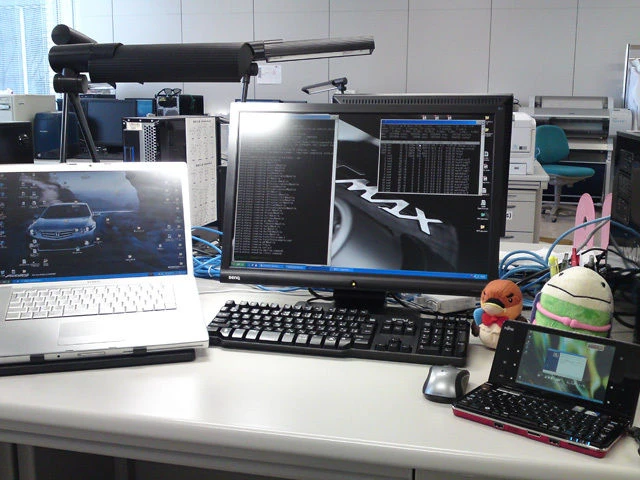
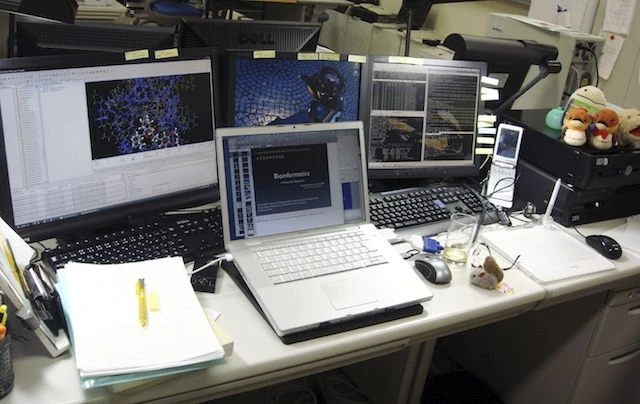
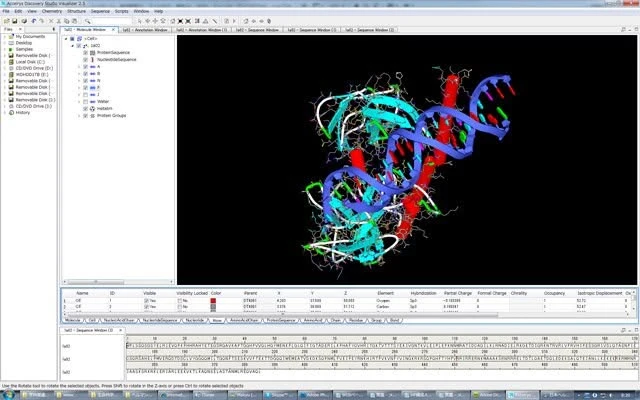
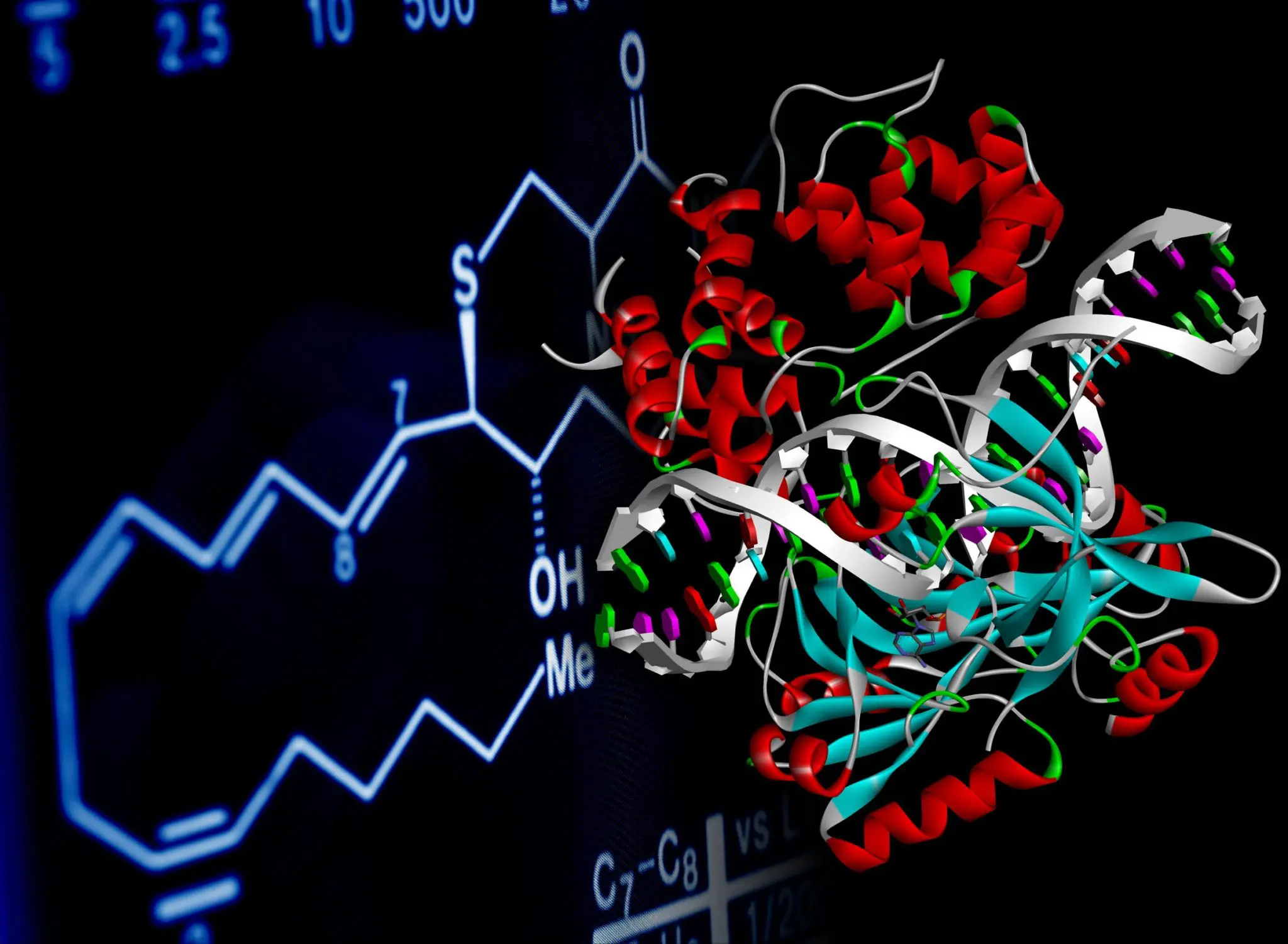
After returning to Japan, he entered the Department of Bioinformatics, College of Life Sciences, Ritsumeikan University . He became interested in fields where life science and information science intersect, and studied bioinformatics, drug discovery, analysis software, and computational processing.
The interests he developed during this period later led to GPGPU, HPC, in silico analysis, medical research support, and Biozipcode Group businesses.


2010
Establishment of Studio Makyu Co., Ltd.: Starting from Web and System Development
After graduating from Ritsumeikan University in 2010, he established Studio Makyu Co., Ltd..
At Studio Makyu Co., Ltd., he has worked on website production, DTP design, software development, web marketing, SEO, listing advertisements, and support for attracting customers to retail stores. Rather than operating merely as a production company, he gained experience by supporting businesses in a way that covered customer acquisition, operation, monetization, and systemization.
He has supported web marketing across a wide range of industries, including e-commerce sites, motorcycle dealerships, musical instrument stores, restaurants, and real estate companies, building practical experience in creating businesses on the web.
The capabilities developed during this period—the ability to organize information on the web, attract people, and connect that attention to business—are now applied to medical and biotech businesses, investor-facing communication, and information organization for Web3 projects.

2012
Continuing Interest in Bioinformatics and Computational Science After Leaving Graduate School
In 2012, he left the Bioinformatics Course, Graduate School of Life Sciences, Ritsumeikan University.
Although he did not complete graduate school, his interest in bioinformatics, GPGPU, analysis software, and in silico analysis continued thereafter.
Instead of remaining at a university as a researcher, he moved toward supporting research from the business side—a defining feature of Fumihisa Kojima’s career.
2014–2018
Expansion into Mining, Web Media, and Cryptocurrency-Related Systems
From 2014 to 2018, he participated in numerous Web3 companies, including Luck Cue Co., Ltd.
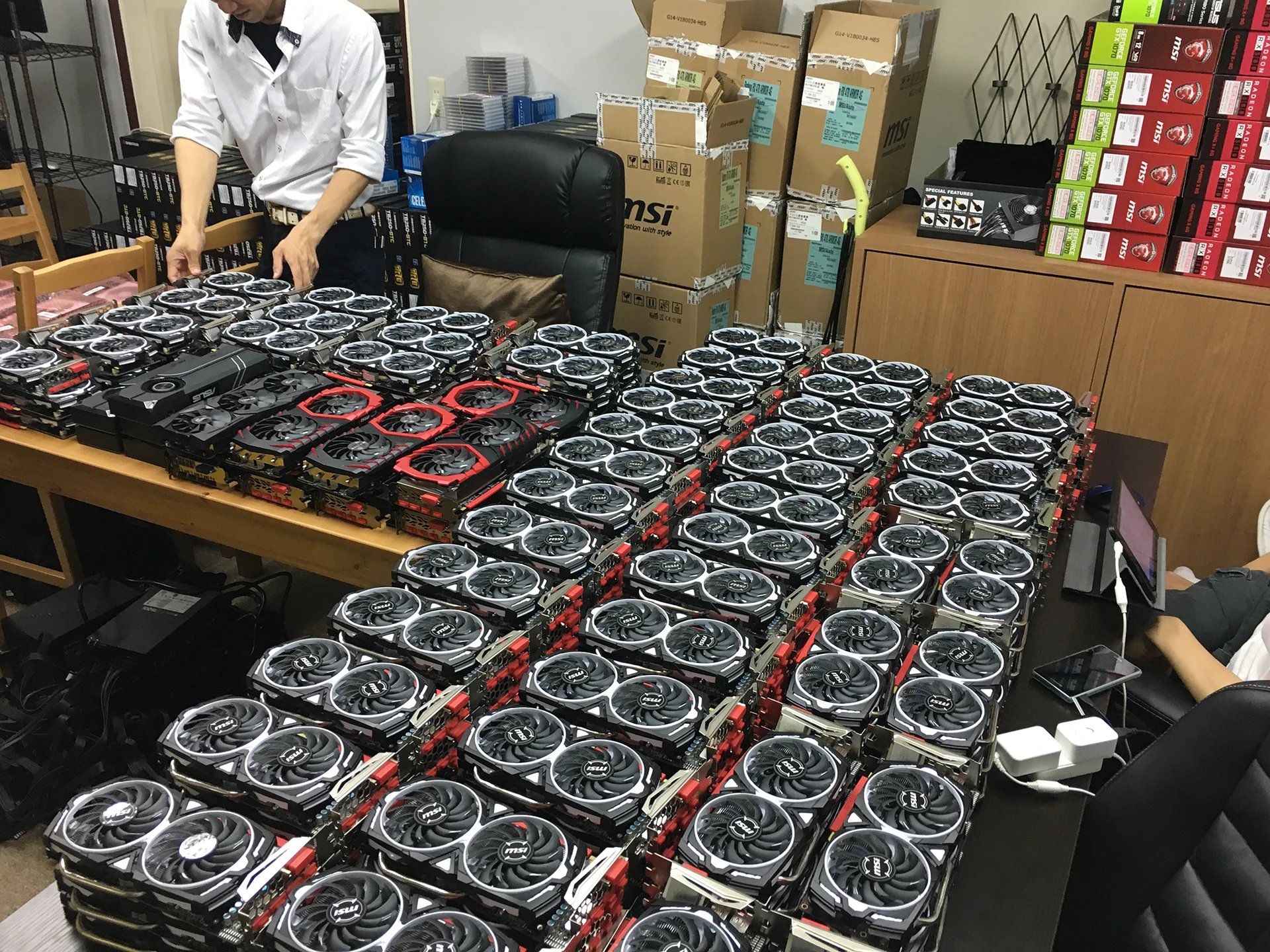
During this period, he was involved in supporting the development of cryptocurrency mining farms, selling GPU rigs, developing automated cryptocurrency trading software, building curation sites, and web marketing.
This was a period when the practical experience he had built in web and system development was joined by hands-on work in GPU computing, cryptocurrencies, and blockchain. His interest in hyper-computing using GPGPU was connected not only to bioinformatics, but also to mining businesses.
Around 2015
Beginning of Joint Research Support with Shiga University of Medical Science
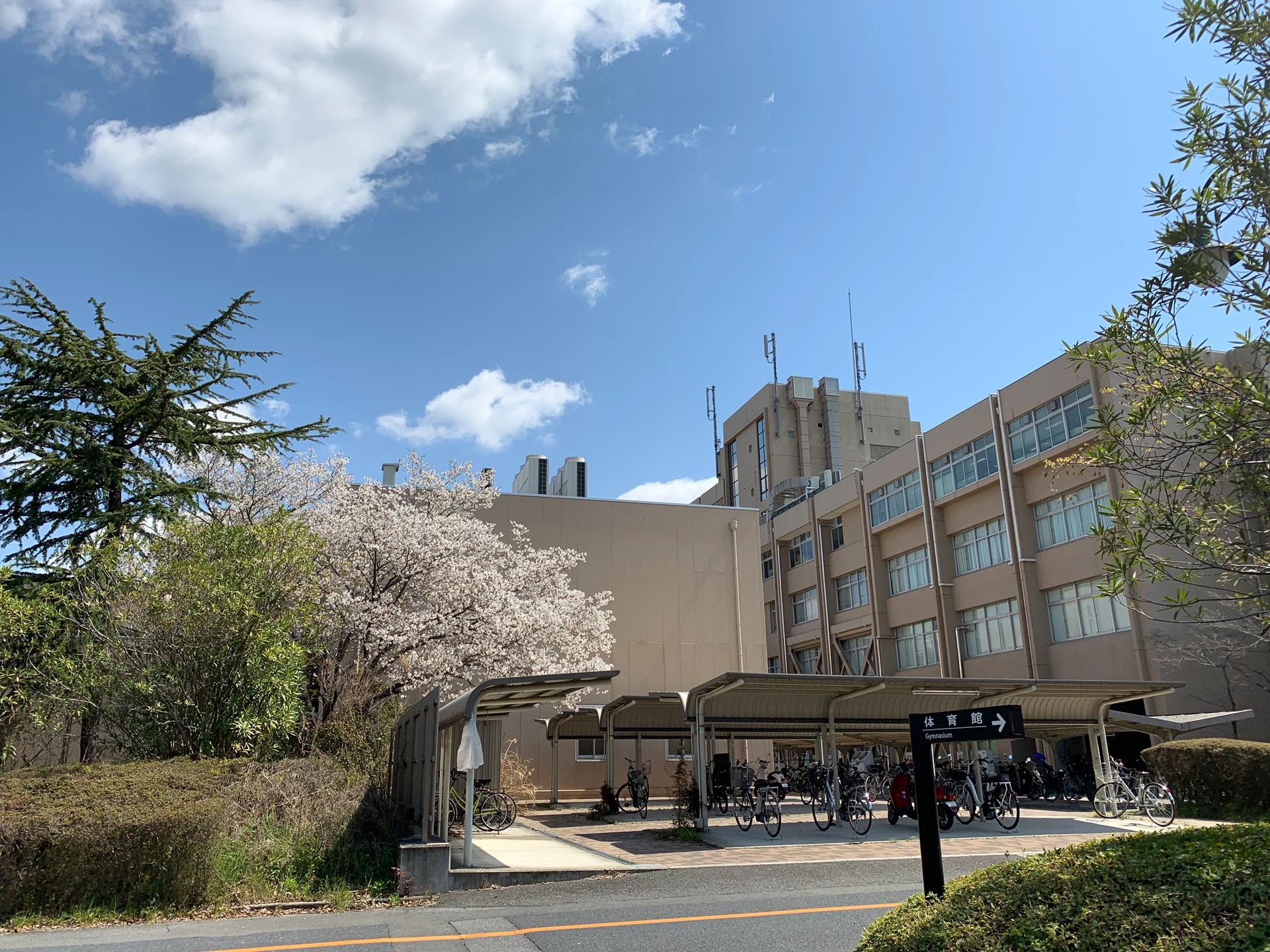
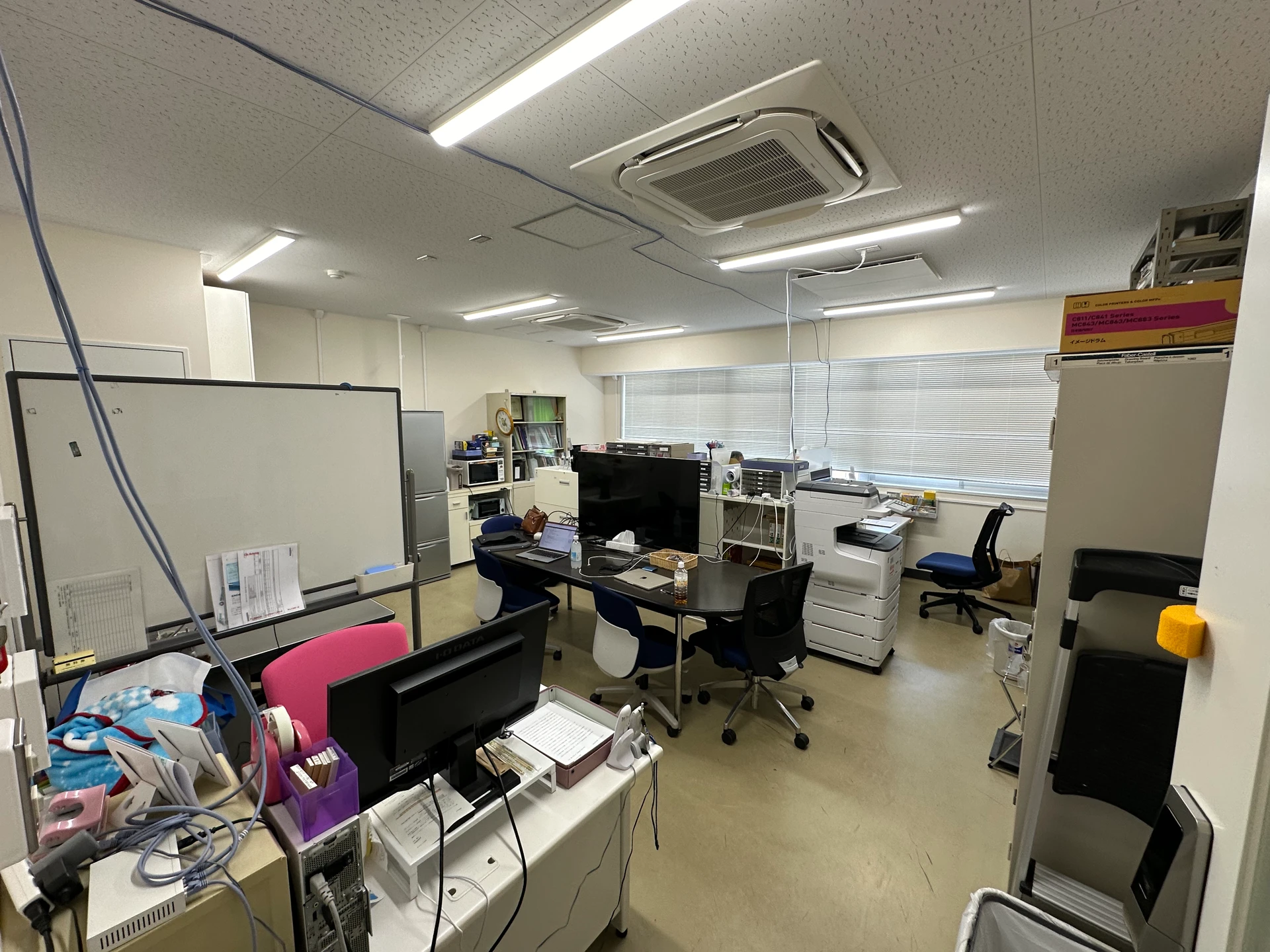
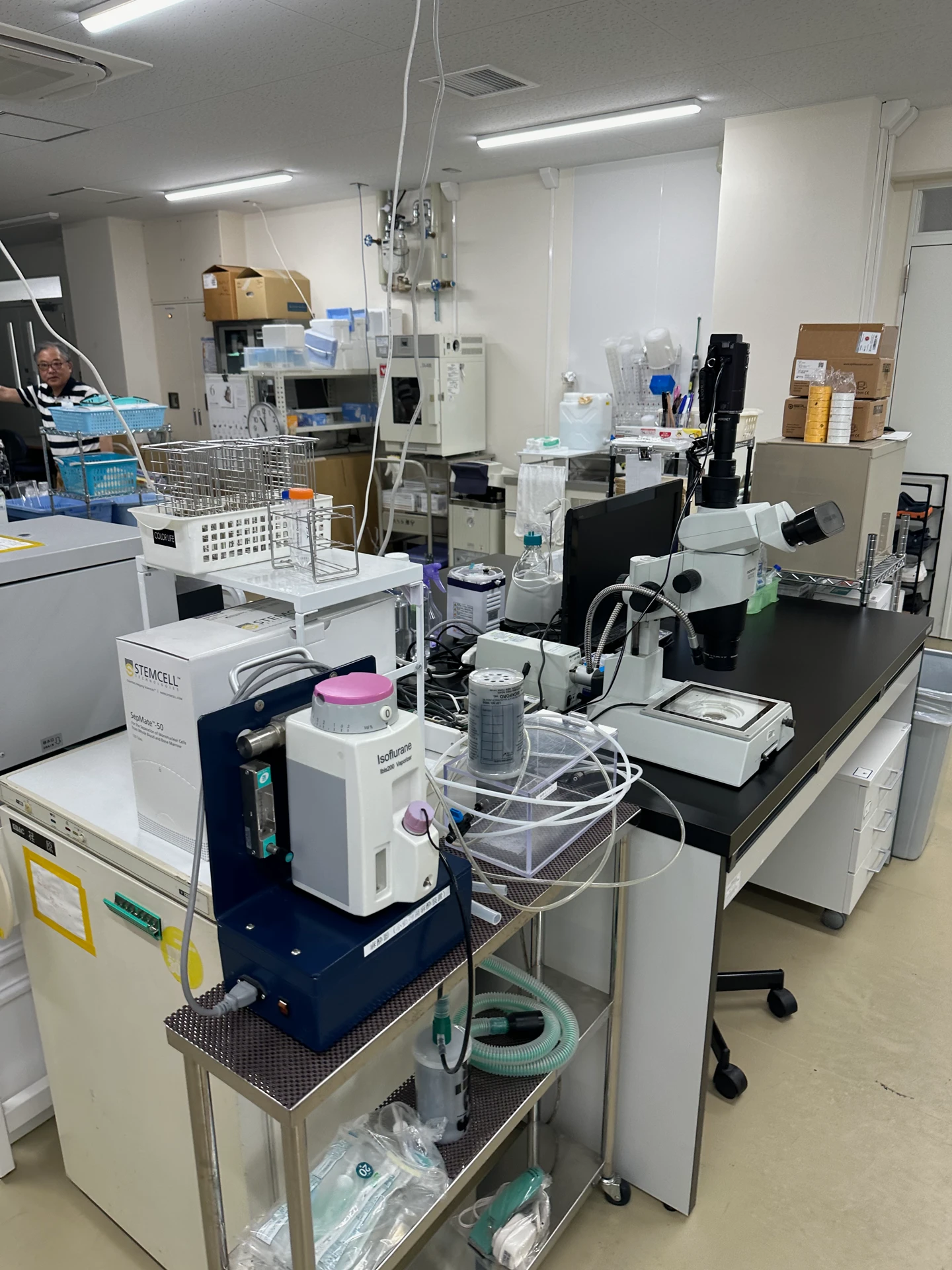
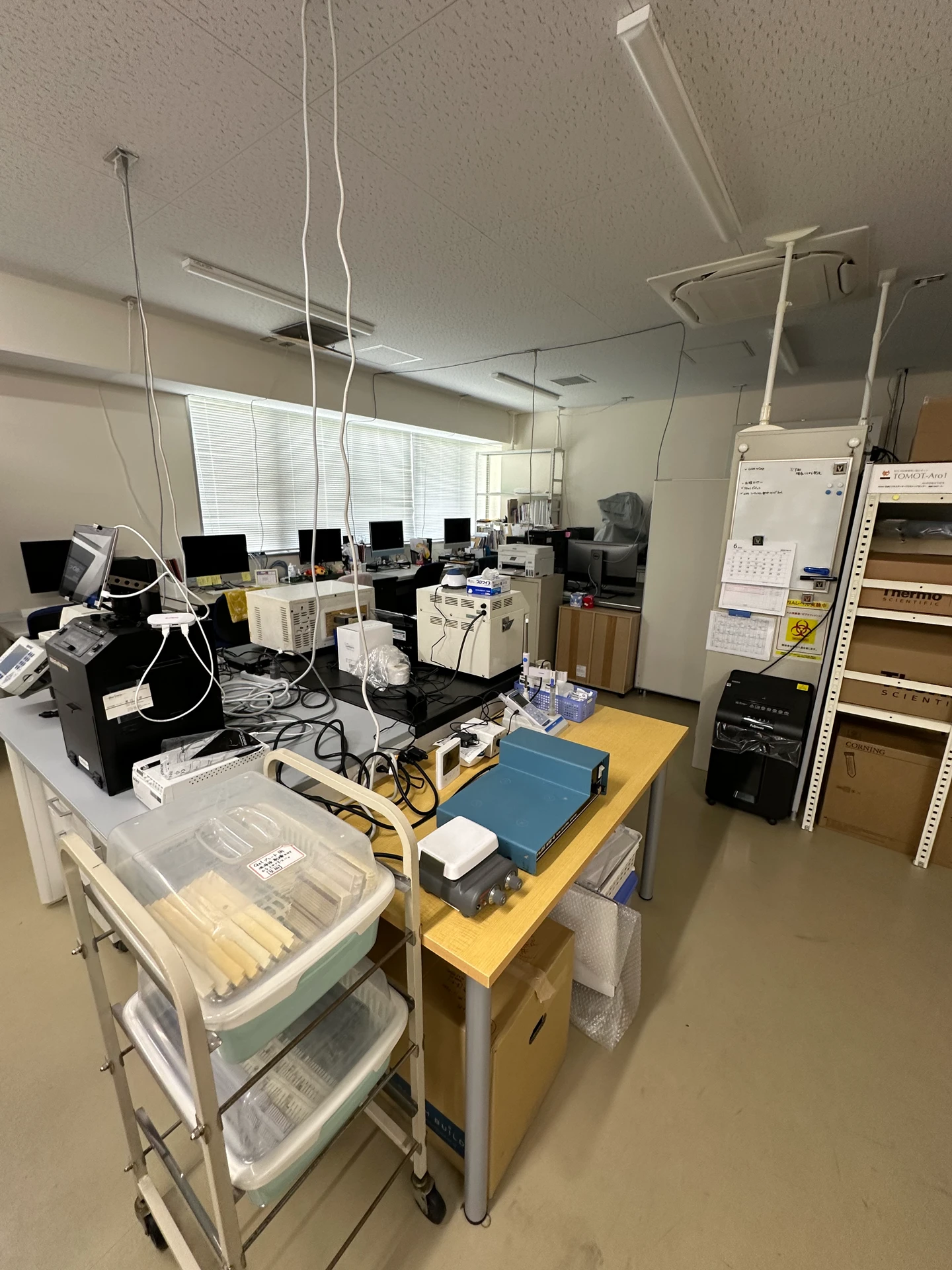
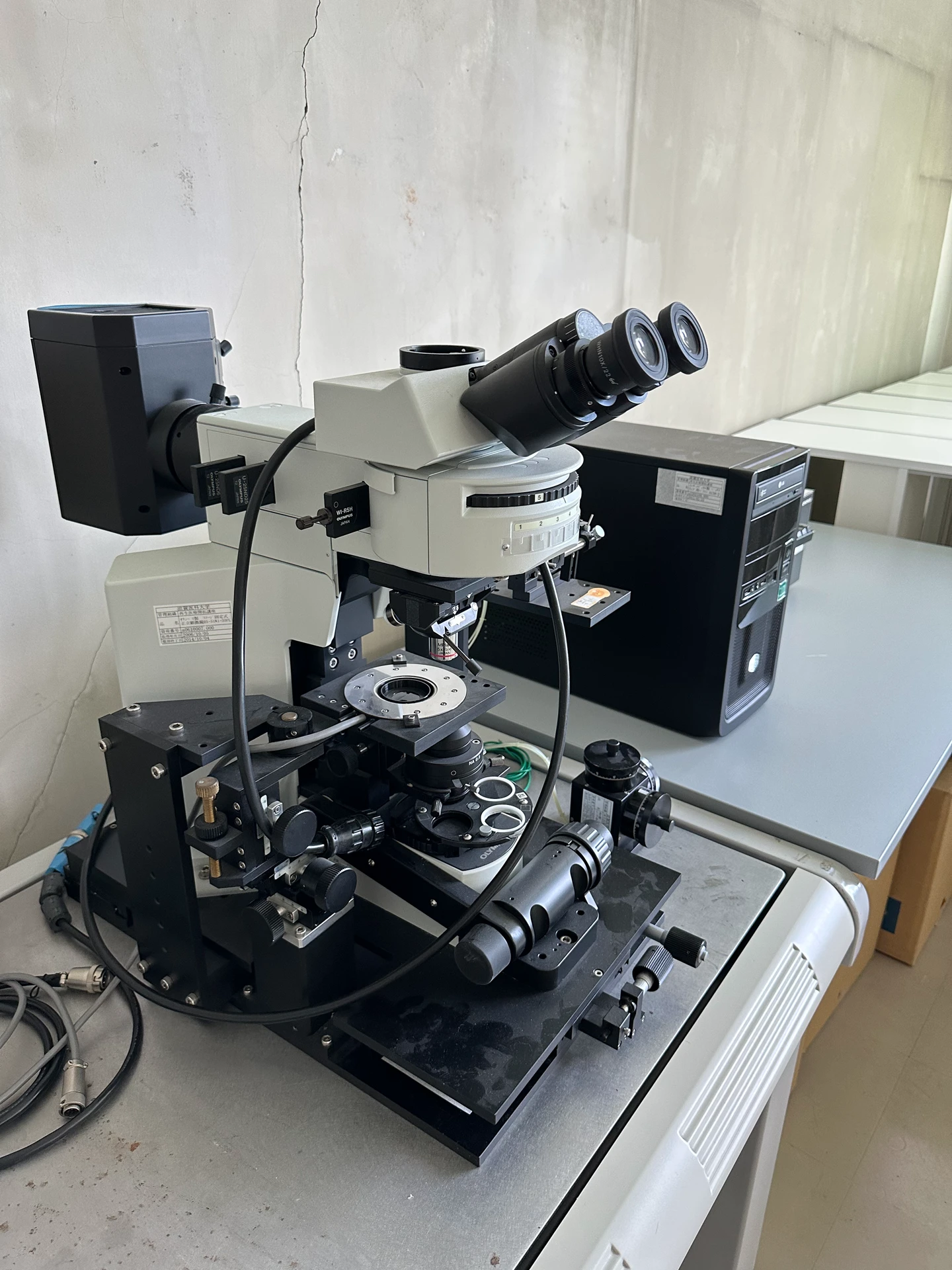
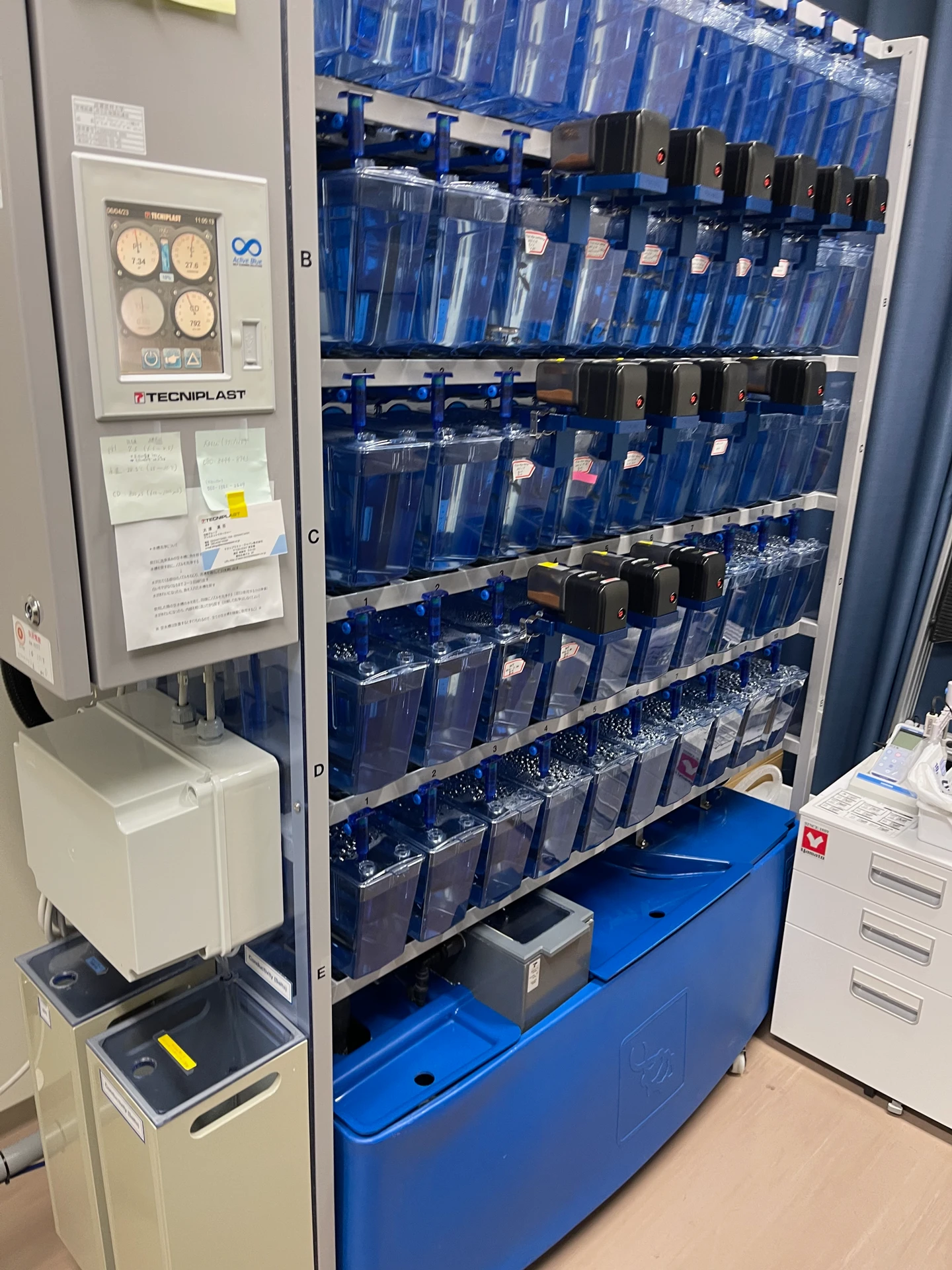
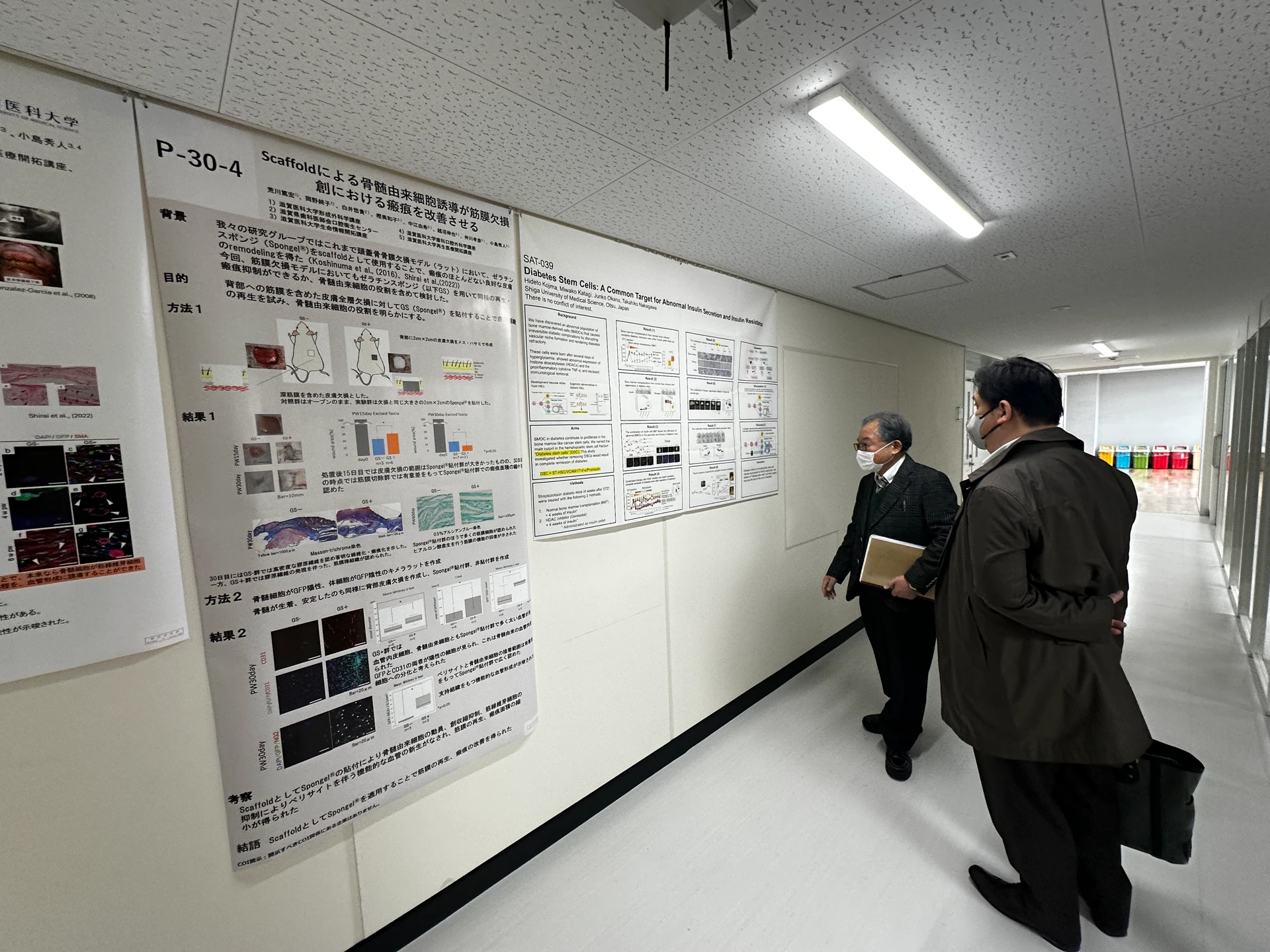
From around 2015, through Studio Makyu Co., Ltd., he became involved in supporting joint research with a laboratory at Shiga University of Medical Science.
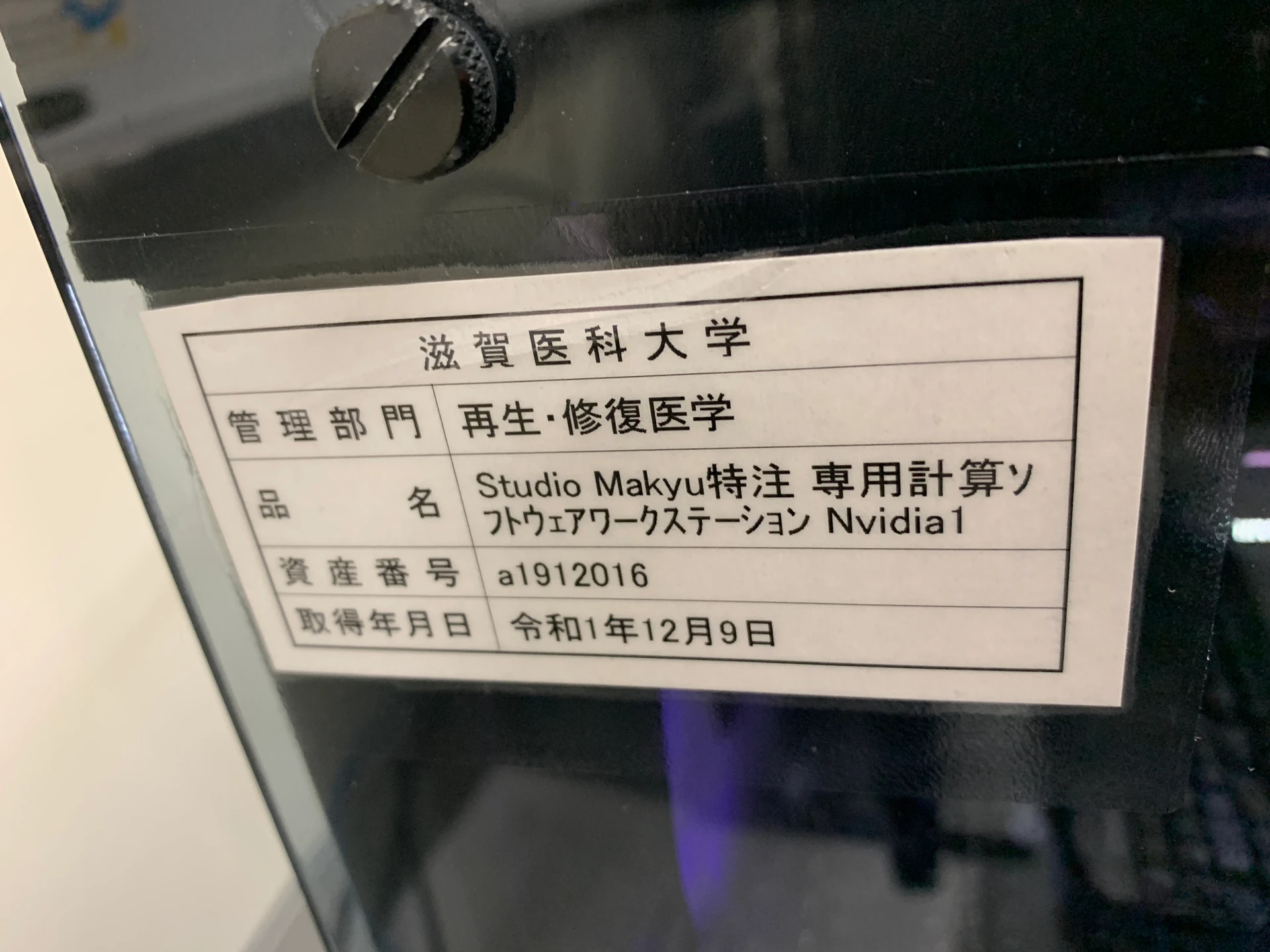
Initially, rather than conducting in vivo or in vitro research itself, his role was to support research from the in silico side through bioinformatics, analysis software, analytical tools such as BLAST, large-scale computation using GPGPU, and research system development.
Around 2016
Supporting the Development of Cryptocurrency Mining Farms in Japan
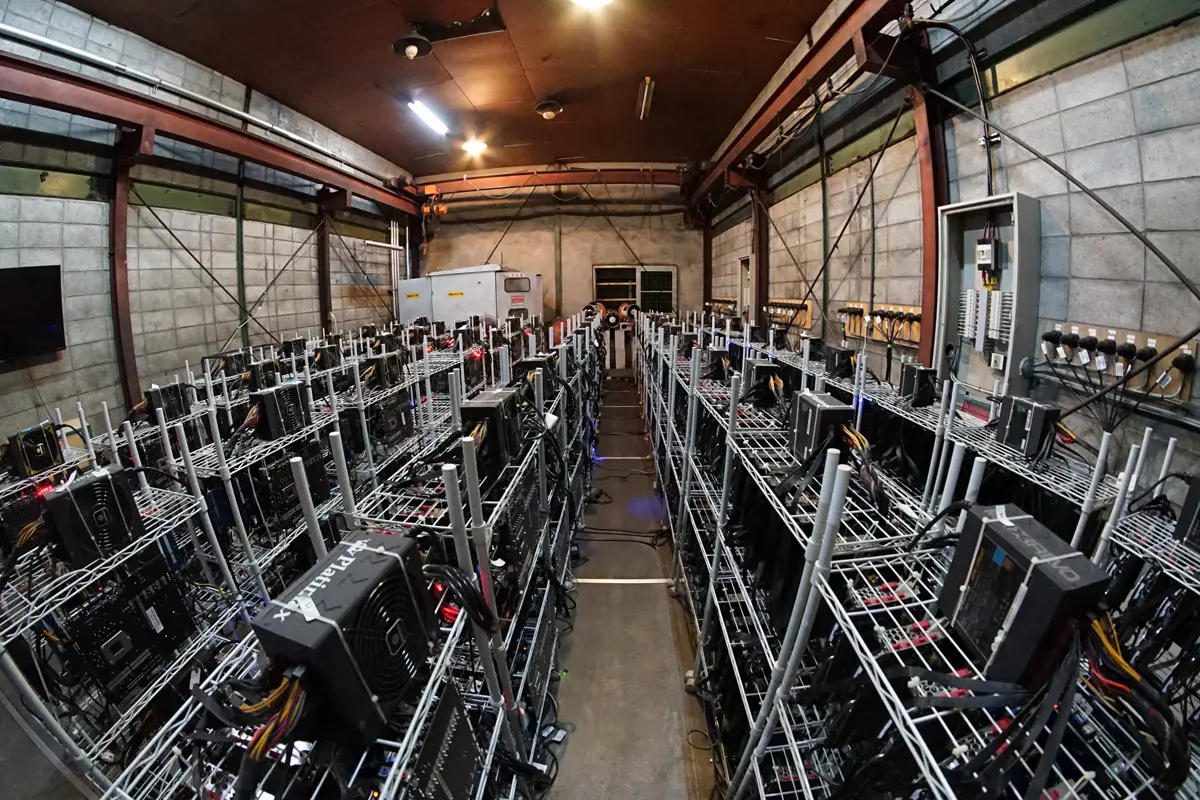
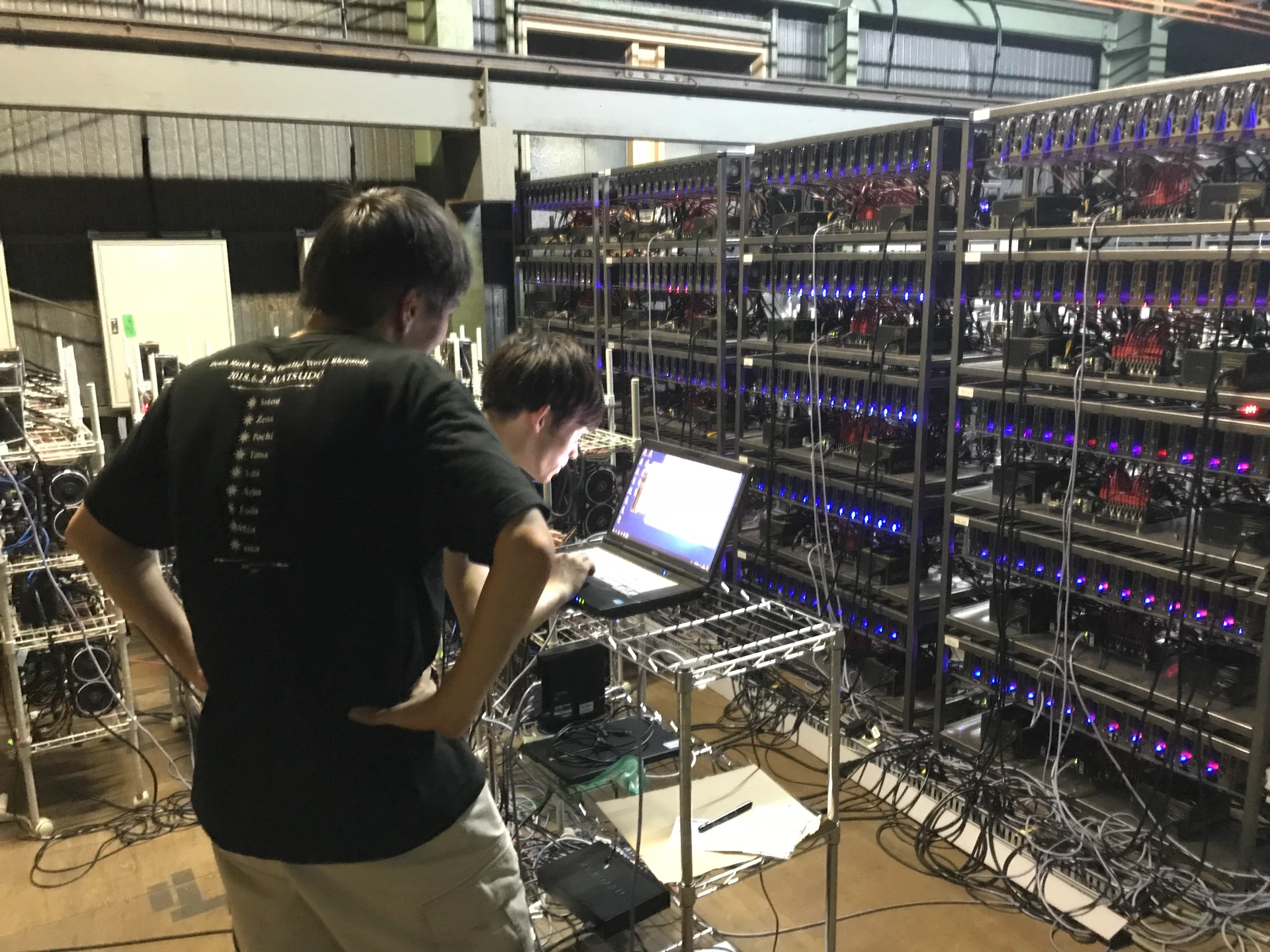
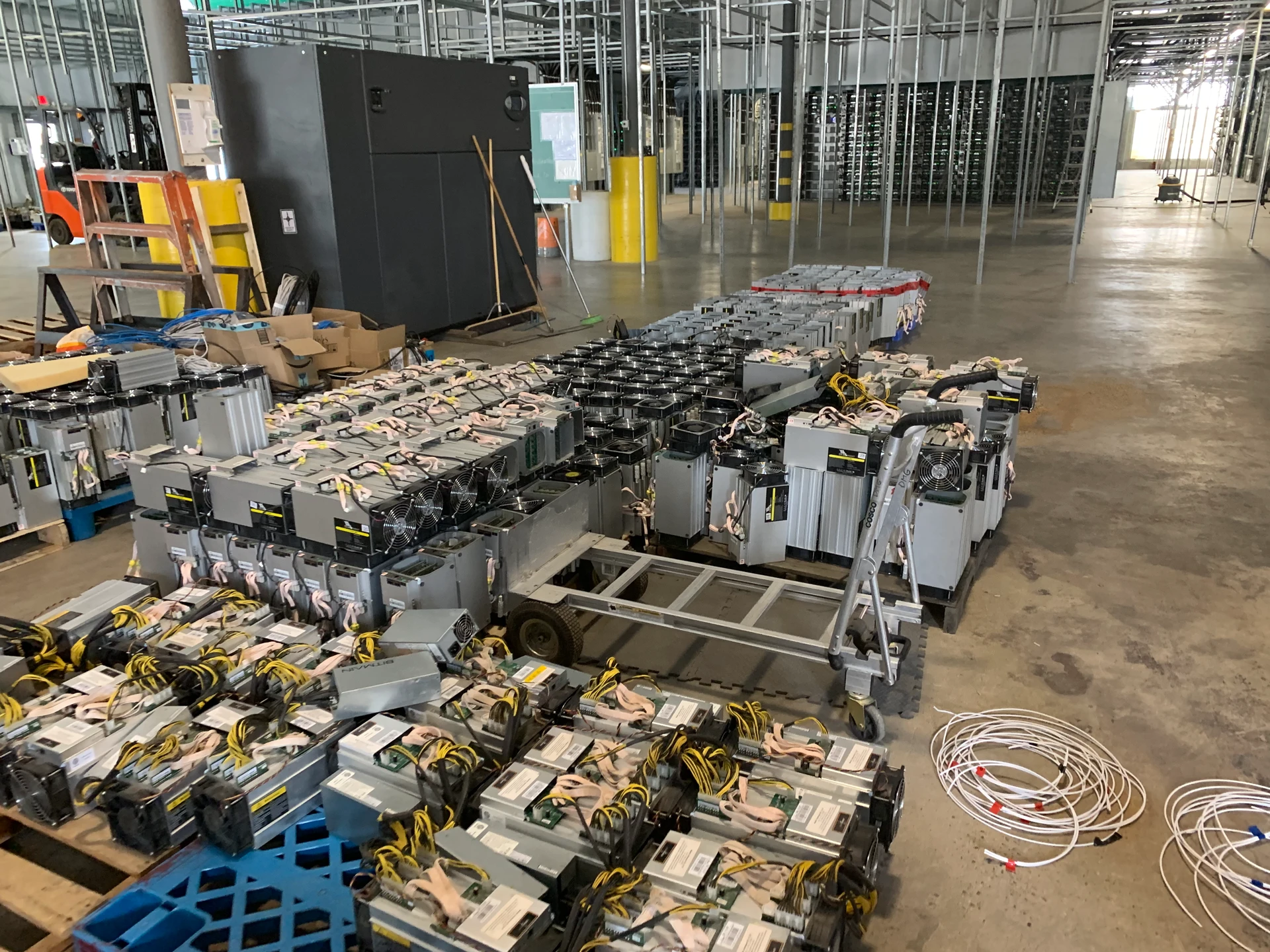
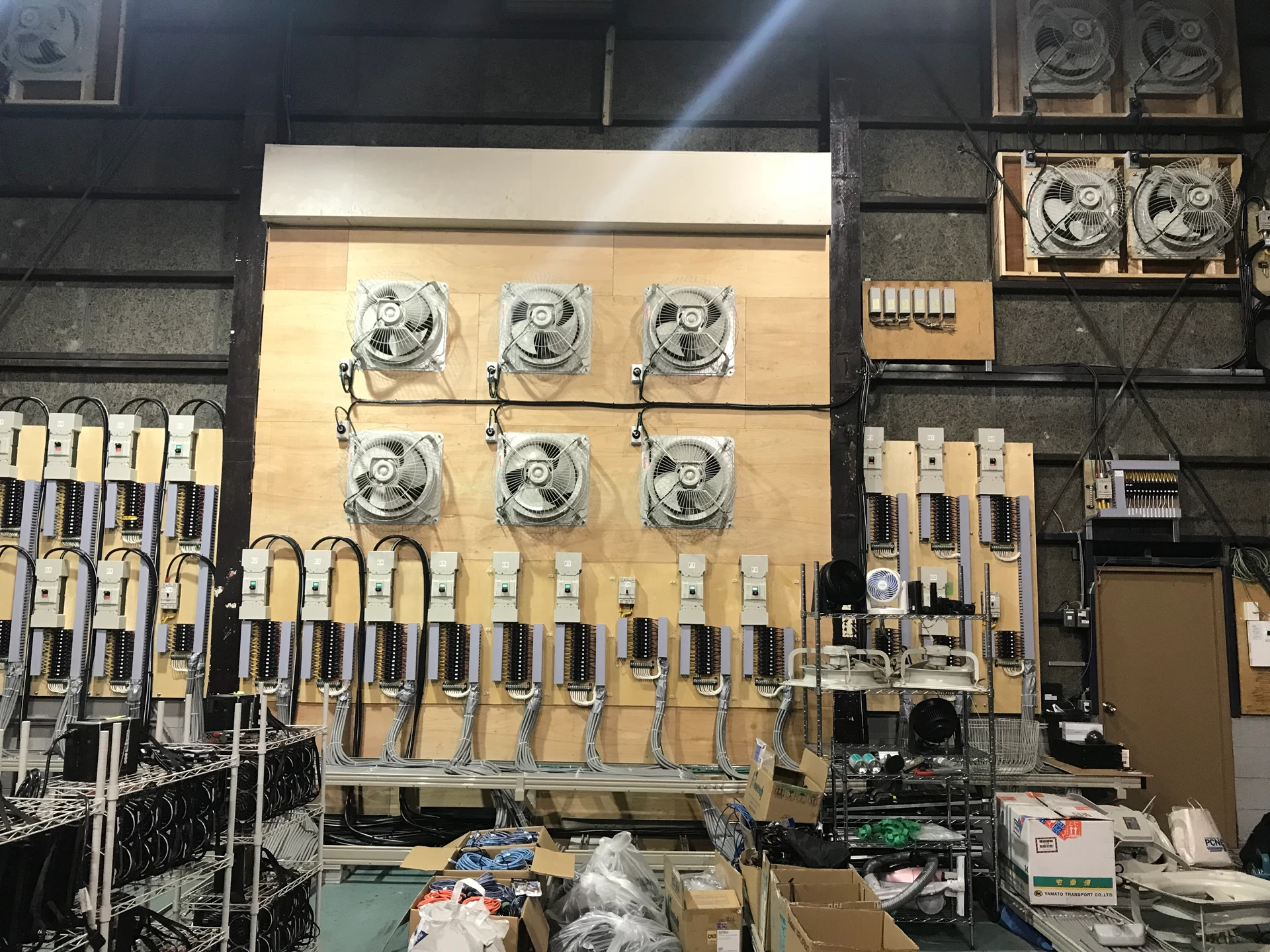
From around 2016, at a relatively early stage in Japan, he began fully supporting the development of cryptocurrency mining farms.
He was involved in multiple mining businesses in a hands-on capacity, covering mining facilities using ASICs and GPUs, electricity, cooling, operational management, machine procurement, and system development.
Through this experience, he came to view blockchain not merely as a concept, but as a business that includes facilities, electricity, operations, revenue, and risk.

2017–2021
Expansion into AML, Anti-Social-Force Screening, and Blockchain Analysis
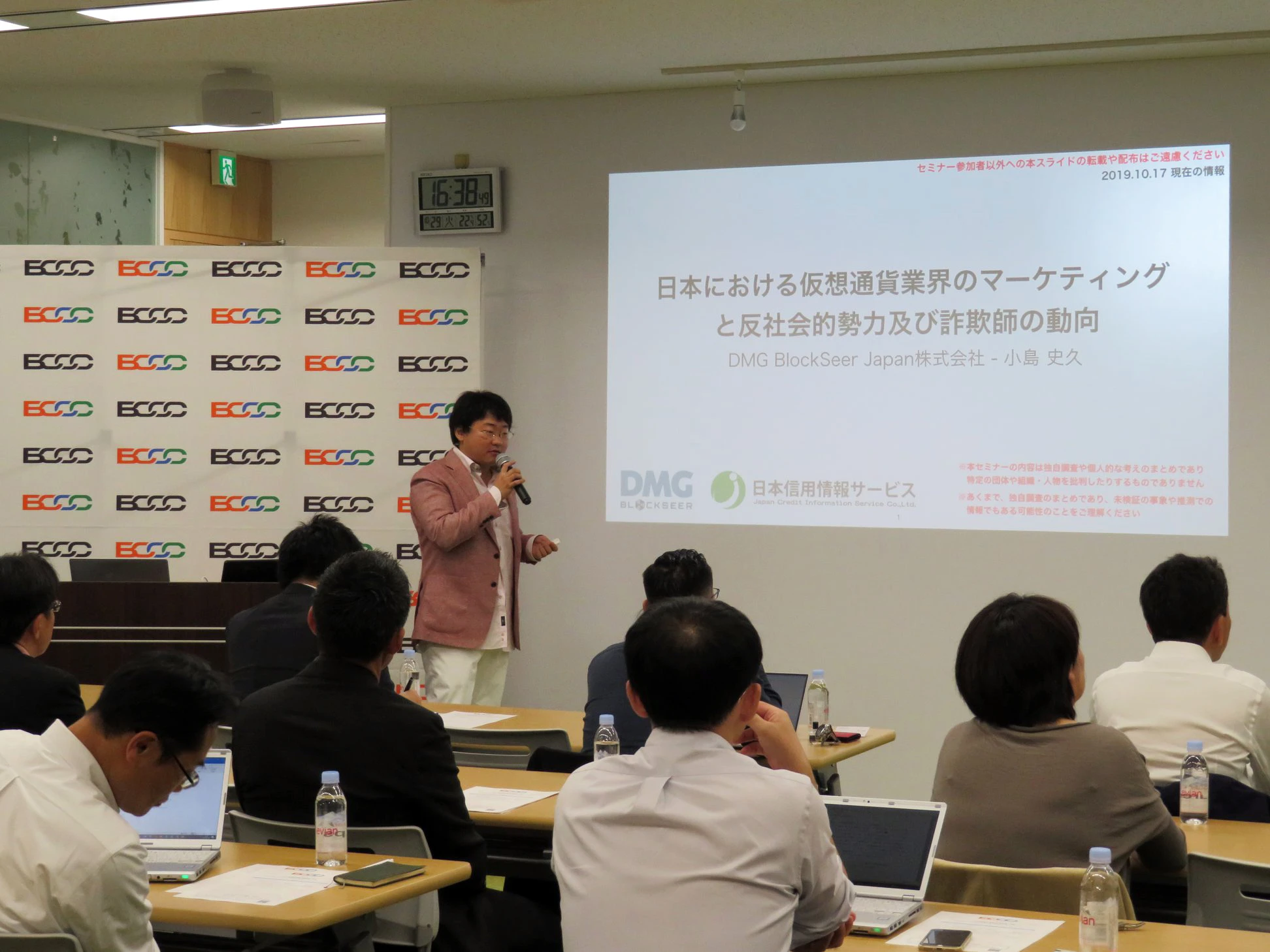
From 2017 to 2021, he was involved with Japan Credit Information Service Co., Ltd. and DMG Blockseer Japan Co., Ltd.
At Japan Credit Information Service Co., Ltd., he worked on building databases related to anti-social forces, providing compliance screening services, and developing investigation systems.
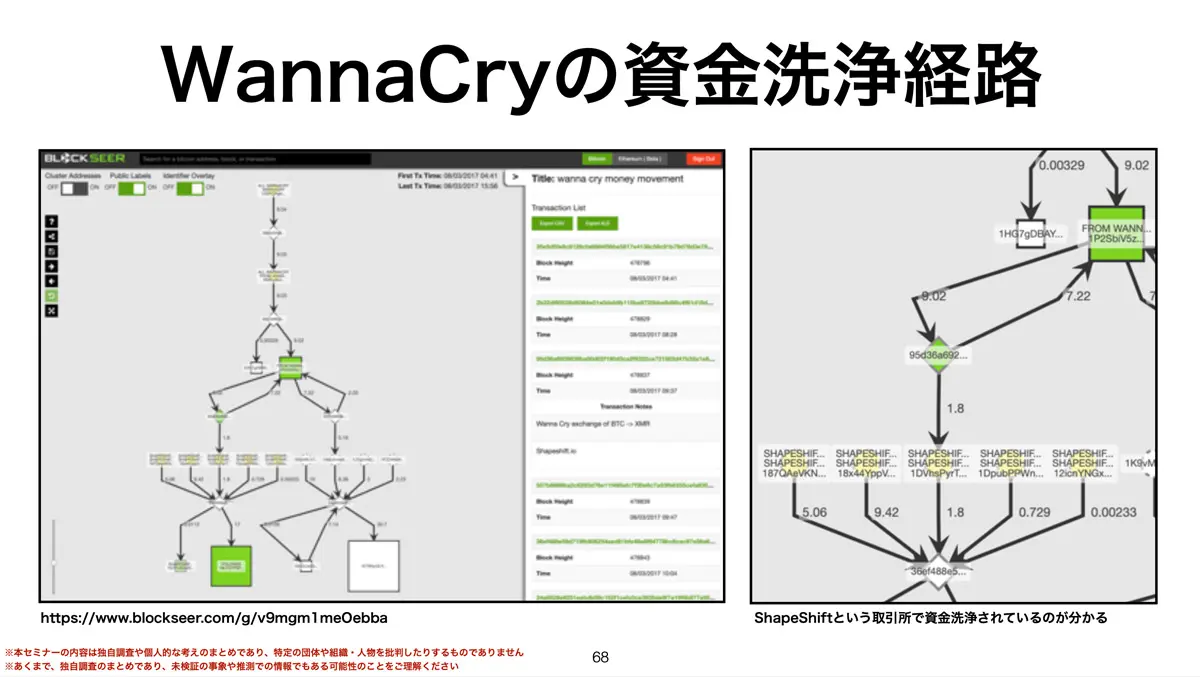
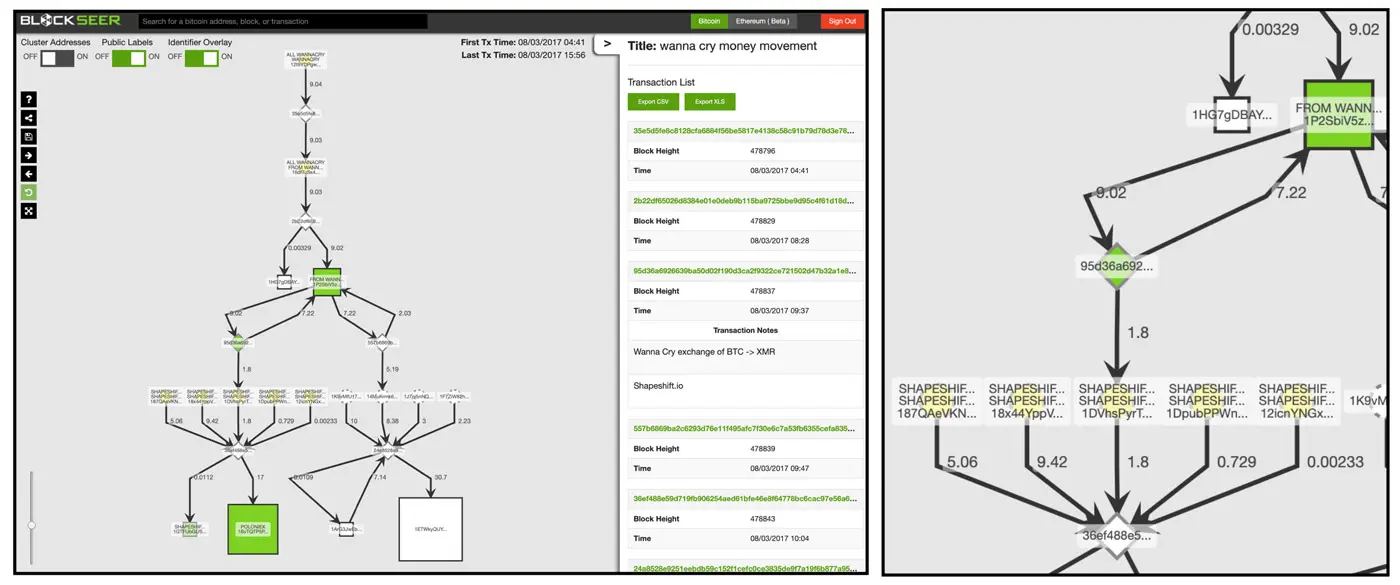
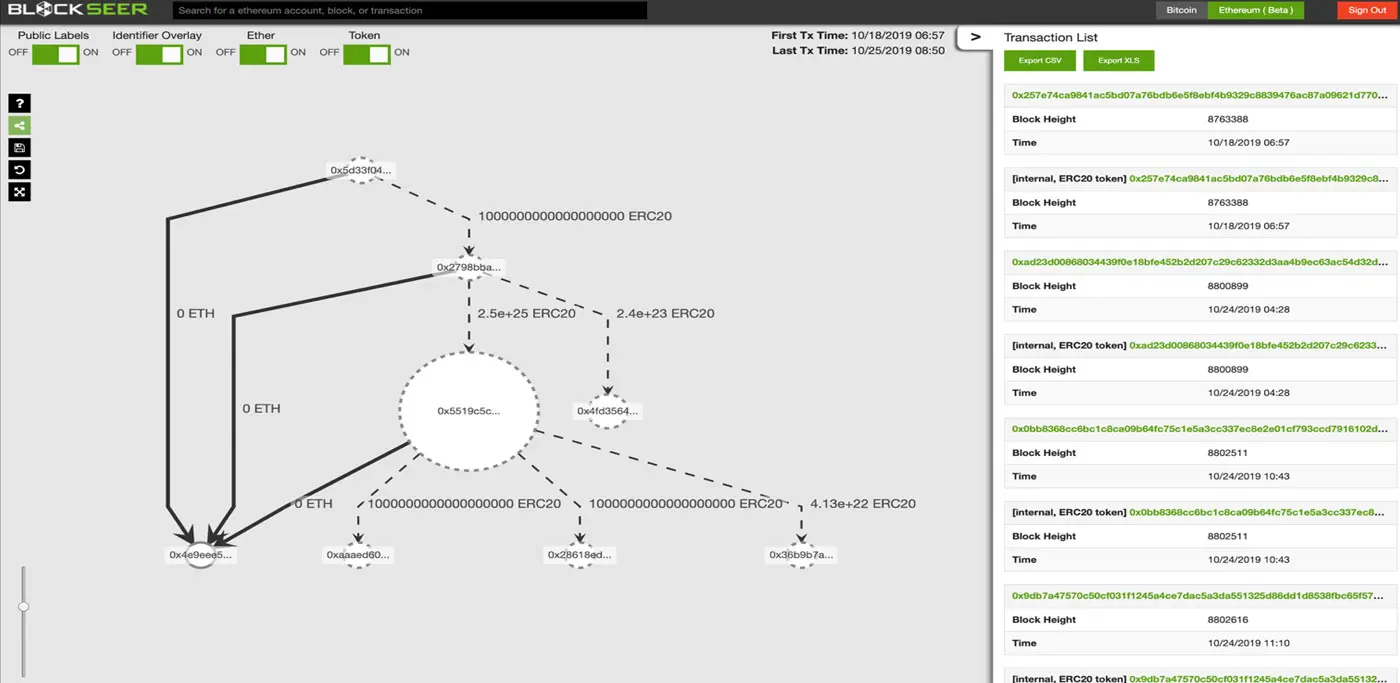
At DMG Blockseer Japan Co., Ltd., he was involved in anti-money laundering measures for cryptocurrency transactions, detection of unusual transactions, and support for investigations of transactions related to criminal funds and hacking—areas where blockchain and compliance intersect. Canada’s DMG Blockchain Solutions Inc. (DMGI.V) and the parent company of Japan Credit Information Service Co., Ltd. are both publicly listed companies.
The experience gained during this period continues to shape his current Web3-related projects, including a focus on KYC, AML, investor protection, and regulatory compliance.
2018–Present
Development of Advanced Compliance Screening Systems at Senard Co., Ltd.
Since 2018, he has been involved with Senard Co., Ltd. as Chief Technology Officer.
At Senard Co., Ltd., he has worked on anti-social-force screening, compliance screening, web crawling, and database development using natural language processing.
His work has focused not simply on gathering information, but on how public information can be organized into a form usable for risk assessment. This experience is connected to investment due diligence (DD), corporate investigations, risk management, and review frameworks for Web3 projects.
2020–2023
Involvement in FinTech, NFTs, and Fundraising Support at Merchant Bankers Co., Ltd.
From 2020 to 2023, he was involved with Merchant Bankers Co., Ltd.
His main areas of involvement included blockchain security, FinTech, NFT-related businesses, development of cryptocurrency exchanges, web marketing, and corporate fundraising support.
Through experience advancing businesses from the listed-company side, he became strongly aware not only of supporting projects externally, but also of capital policy, IR, partnerships, fundraising, and investor communication.
2022
Establishment of Biozipcode Inc.
In January 2022, Biozipcode Inc. was established to take over the joint research work with Studio Makyu Co., Ltd., and Fumihisa Kojima assumed the position of Representative Director.
Biozipcode Inc. was established to take over the support for university joint research that had continued since the Studio Makyu Co., Ltd. period. The company aims to socially implement university-originated research, centered on research and development related to diabetes and intractable diseases, cell-targeting technology, data analysis, and licensing businesses.
Fumihisa Kojima’s role is not to present himself as the researcher responsible for the research findings, but to advance fundraising to continue the research, maintenance of joint research frameworks, organization of intellectual property, collaboration with business partners, and overseas expansion.
Subsequently, in April 2022, a joint research laboratory for the Regenerative Medicine Development Course was established within Shiga University of Medical Science to work on developing novel curative approaches aiming to cure intractable diseases, including diabetes, and establishing new therapeutic methods using cell-targeting peptides (Biozipcode™).
For this initiative, Merchant Bankers Co., Ltd. committed to an investment of JPY 100 million and support for fundraising of approximately JPY 10 billion.
However, because the laboratory’s paper review did not proceed as scheduled, payment of joint research expenses was delayed and refused for more than six months. Unpaid fees to the patent firm handling patent applications also continued, and the termination of the joint research agreement was announced. In response, Fumihisa Kojima acquired all shares in exchange for the investment amount paid by Merchant Bankers Co., Ltd. and the costs of patent applications and other related expenses, in an effort to continue the joint research course.
2023
Publication of Diabetes Research and Acceleration Toward Commercialization
In 2023, research findings in diabetic mice were published in Communications Biology.
This study was reported as preclinical research in STZ diabetic mice involving a combination of insulin and an HDAC inhibitor. It forms part of the scientific background for the fundamental diabetes treatment research advanced by Biozipcode.
At the same time, this is not an approved treatment for humans. To implement it socially as a medical treatment, clinical trials, safety confirmation, and regulatory approval will be required through a step-by-step validation process.
5-ALA is a substance also present in the human body and is involved in energy production within mitochondria. Disruption of energy metabolism is considered important in diabetes, and studies combining 5-ALA with iron have reported improvements related to HbA1c and blood glucose in patients with type 2 diabetes.
It is also considered possible that 5-ALA may help regulate the function of abnormal cells related to diabetes stem cells and act in a manner similar to an HDAC inhibitor. We are aiming to develop a new treatment approach that is not limited to lowering blood glucose, but seeks to fundamentally improve diabetes itself.
At this stage, no official announcement can be made regarding the effects of 5-ALA on diabetes until clinical trials are completed. Going forward, through clinical trials in Palau, the UAE, and other locations, we aim to combine research on 5-ALA, diabetes stem cells, and HDAC inhibitors, working to shift diabetes from a disease people must live with for life to a condition for which fundamental improvement may be pursued.
2024–Present
Expansion into Medical and 5-ALA Fields through KIYAN MEDICAL Co., Ltd. and KIYAN PHARMA Co., Ltd.
Since 2024, he has also served as a Director of KIYAN MEDICAL Co., Ltd. and as an Executive Officer of KIYAN PHARMA Co., Ltd.
At KIYAN MEDICAL Co., Ltd., he is involved in pharmaceutical development aiming to develop a fundamental treatment for diabetes, targeting using Biozipcode™ technology, cancer treatment, and related businesses.
At KIYAN PHARMA Co., Ltd., he is involved in 5-ALA-related businesses and related initiatives.
In addition, through collaboration between KIYAN MEDICAL Co., Ltd. and Biozipcode Inc., business collaboration is being advanced to connect research outcomes to social implementation, including novel treatments for diabetes, cancer therapeutics, and applications of cell-targeting technology.
2025
Launch of the Official GDT Website and a Vision Combining Web3 with Medical Research
In 2025, the official website for Global Development Token, commonly known as GDT was launched.
GDT is positioned as a concept that combines diabetes research, medical tourism, 5-ALA-related products, online medical consultations, and biomarker testing with Web3 mechanisms.
For Fumihisa Kojima, GDT is not merely a token project, but an initiative that brings together his experience in medical research, overseas expansion, web marketing, blockchain, AML, and community building into a single business concept.
At the same time, areas where medicine, tokens, investment, and medical tourism overlap require careful review of financial regulations, crypto-asset regulations, medical advertising rules, pharmaceutical and medical device laws, KYC/AML, and related requirements in each jurisdiction.
※GDT token sales are designed not to target residents of Japan and are structured so as not to constitute solicitation or sales within Japan.
2025
Overseas Medical Expansion Starting from Palau and the UAE
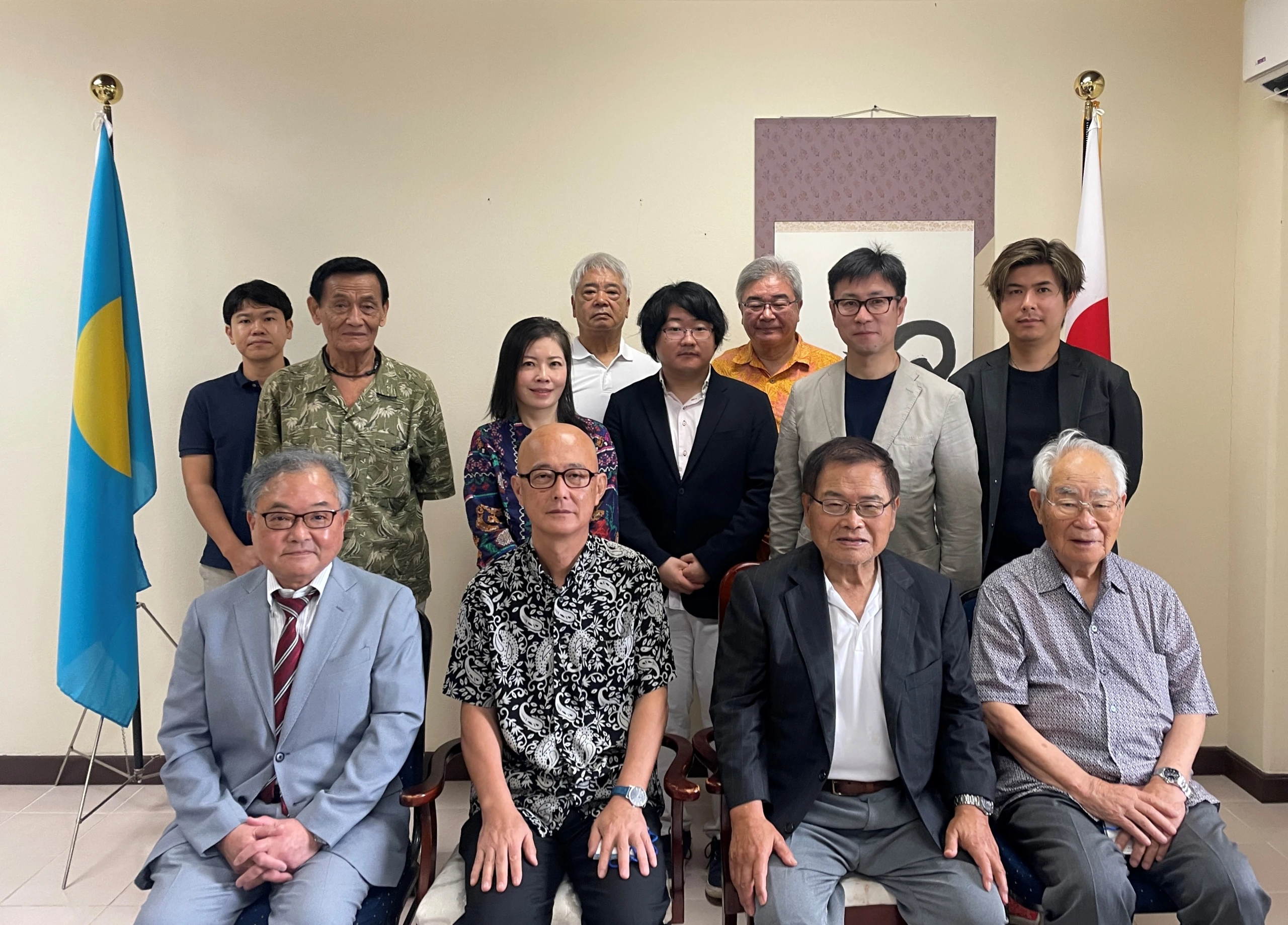
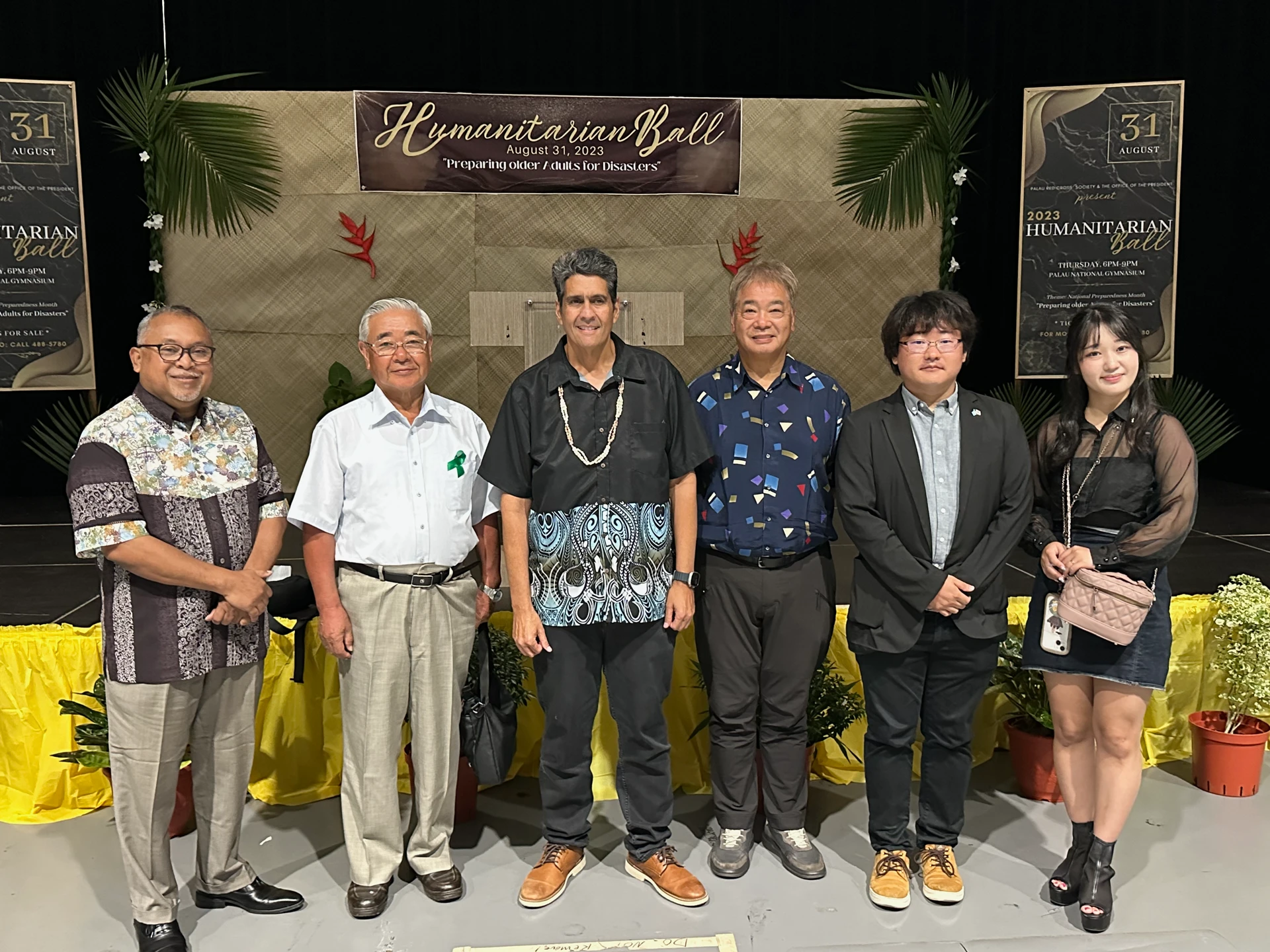
Since 2025, Biozipcode-related concepts have placed particular importance on overseas medical expansion starting from Palau and the UAE.
For Palau, the high prevalence of diabetes, a population size of approximately 20,000 people, and the potential for collaboration with medical institutions have positioned it as a candidate location for future clinical research and medical implementation.
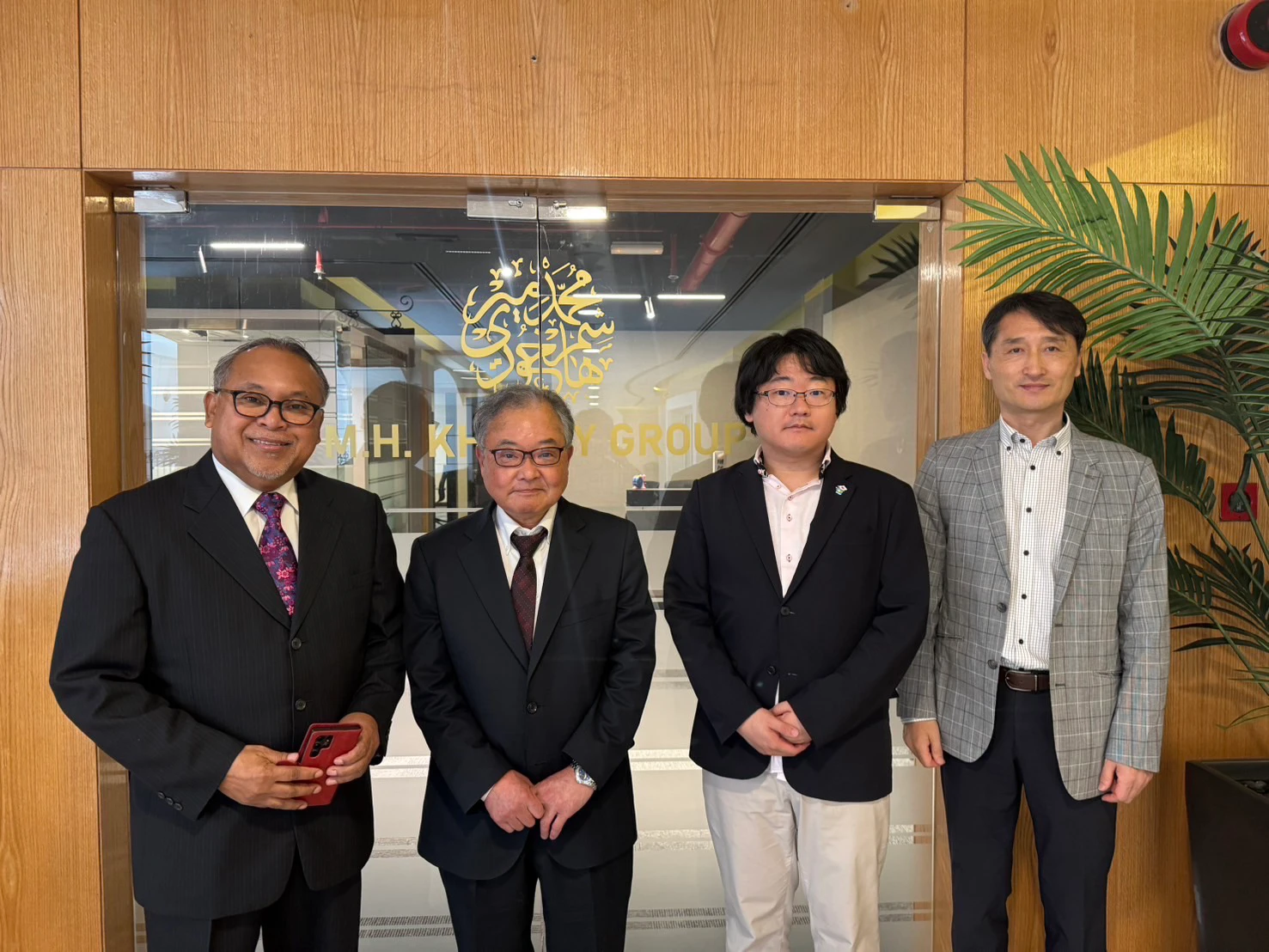
For the UAE, medical tourism, clinic partnerships, discussions with investors and business partners, and 5-ALA-related businesses are being developed from both medical and overseas business perspectives.
From this period onward, Fumihisa Kojima’s activities expanded beyond supporting university research in Japan to include global medical business concepts involving Palau, the UAE, Japan, the United States, and other markets.
2026
Developmental Transfer to Kyoto University’s Department of Biocommunication Development
In April 2026, Biozipcode Inc., together with Kyoto University, announced the establishment of the Department of Biocommunication Development at Kyoto University, Graduate School of Medicine and Faculty of Medicine as a framework to advance research and development in cell-targeted therapeutics.
This joint research aims to apply cell-targeting technology that selectively recognizes cells and tissues to intractable diseases, with the goal of realizing new therapeutic approaches. Target areas include diabetes, cancer, intractable diseases, and in silico R&D support.
This represents a developmental transfer of research activities previously conducted at Shiga University of Medical Science to an industry-academia joint course at Kyoto University, Graduate School of Medicine and Faculty of Medicine. The research period is five years, from April 1, 2026 to March 31, 2031.
At this stage, Fumihisa Kojima’s role as Representative Director of Biozipcode Inc. is to take on even greater responsibility for R&D support, maintaining the joint research framework, collaboration with domestic and overseas pharmaceutical companies and research institutions, and business development toward social implementation.
Current Activities .
Business Development Across Medicine, Web3, AI, and Overseas Expansion
Fumihisa Kojima is currently active across the following fields:
- R&D support for diabetes and intractable diseases centered on Biozipcode™
- Commercialization of cell-targeting technology
- Development and evaluation of 5-ALA-related businesses
- Computational science using AI, HPC, and GPGPU
- Web3, token, and medical tourism-related projects
- Medical and business expansion in Palau, the UAE, Japan, the United States, and other markets
- Collaboration with investors, medical institutions, universities, and business companies
- Business design based on KYC, AML, compliance, and risk management
In summary, his career has progressed from building a foundation in web, advertising, and system development; to learning about computational resources and blockchain through GPGPU and mining; to gaining risk management experience through AML and compliance; and now to working on the social implementation of medicine and biotechnology.
In Web3-related projects such as GDT, his experience in blockchain, AML, medical research, and overseas expansion comes together.